How to Determine LED High Bay Lights for Warehouse Needs?

Time:2026-03-25 Author:Sophia
0%

In today's fast-paced industrial environment, efficient lighting is crucial for warehouse operations. LED high bay lights play a significant role in enhancing visibility and safety. According to John Smith, an expert in warehouse lighting solutions, "Determining the right number of LED high bay lights can maximize both efficiency and savings."

When considering "How to calculate the number of LED high bay lights needed for a warehouse?", several factors must be evaluated. The height of the ceiling, the layout of the space, and the specific tasks performed all impact lighting needs. A well-lit warehouse boosts productivity and reduces accidents.

Nonetheless, many struggle with this calculation. Overestimating or underestimating can lead to energy waste or insufficient lighting. It's essential to gather accurate measurements and understand light requirements specific to tasks. Making informed choices about LED fixtures ensures that warehouses operate efficiently and safely.
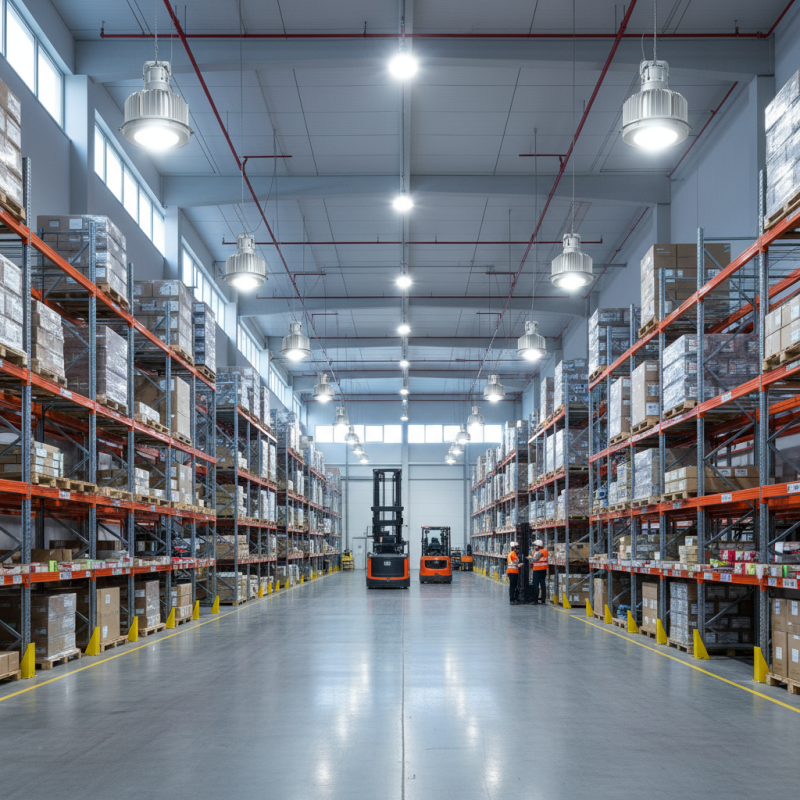
How to Determine LED High Bay Lights for Warehouse Needs?

Understanding the Importance of LED High Bay Lights for Warehouses

LED high bay lights play a crucial role in warehouse environments. They provide bright, efficient illumination needed for safety and productivity. A well-lit warehouse minimizes accidents and improves worker efficiency. The right lighting can enhance visibility in large spaces, making it easier to manage inventory and navigate through different sections.

When selecting LED high bay lights, consider the height of your ceilings. Higher ceilings may require lights with more lumens. You should also think about the layout of your warehouse. Spotlights might be necessary in specific work areas, while general lighting can be spread across larger zones. Take the time to assess the unique needs of your space.

Tips: Measure your space carefully before making a decision. Look at energy efficiency ratings for reliability. Consulting lighting professionals might provide insights into optimal light distribution. Remember, an under-lit area can lead to frustration. Instead of rushing, reflect on your choices to ensure the best outcomes for your warehouse.

How to Determine LED High Bay Lights for Warehouse Needs

Parameter Description Importance
Lumen Output Measures the total light output of the fixture. Critical for adequate illumination in warehouses.
Wattage Indicates the power consumption of the LED high bay light. Higher wattage generally means more light, but efficiency is key.
Color Temperature Measured in Kelvin (K), it affects the appearance of the light. Can impact worker mood and productivity; warmer lights are often preferred.
Beam Angle Describes the spread of light; narrow beams are more focused. Essential for achieving desired light distribution in large areas.
Lifespan The estimated operational life of the LED light. Long lifespan reduces maintenance and replacement costs.
Dimmability Capability to adjust brightness levels. Offers flexibility for different tasks and energy savings.

Evaluating Brightness Requirements: Lumen Output for Optimal Visibility

When considering LED high bay lights for warehouses, brightness is a key factor. Lumen output dictates the quality of visibility. For general warehouse use, a lumen output between 15,000 and 20,000 is usually recommended. This ensures that the space feels well-lit. Employees can move safely and efficiently, especially in areas with high racks.

Different tasks require varying lumen outputs. For example, assembly areas may require around 30,000 lumens. This is due to the detailed nature of the work. A dark area can lead to costly mistakes and accidents. Furthermore, industry studies suggest that optimal lighting can increase productivity by 15%. However, achieving this requires careful planning.

Over-illumination can also be an issue. Too much light may cause glare and discomfort. Finding the right balance is crucial. Research shows that different surfaces reflect light differently. Concrete reflects a lot, while dark surfaces absorb it. An evaluation of these factors will enhance the effectiveness of your lighting solution, ensuring that your warehouse operates at its best.

Calculating Fixture Spacing and Wattage: Industry Standards Explained

Calculating fixture spacing and wattage for LED high bay lights is crucial for optimal warehouse lighting. Industry standards recommend a minimum of 300 lux for general warehouse areas. For task-oriented zones, the level should be around 500 lux. This variation informs how high bay lights should be sited and their wattage adjusted accordingly.

The typical height for high bay lights ranges between 15 to 40 feet. At these heights, spacing should be about 1.5 to 2 times the mounting height. For example, if the lights are mounted at 20 feet, they should be spaced 30 to 40 feet apart. Lighting distribution is vital; uneven spacing can create shadows that affect safety and productivity. It’s essential to conduct a photometric analysis during the planning phase.

Many warehouses default to higher wattage lights thinking they need maximum brightness. This isn't always right. Over-lighting wastes energy and increases glare. A balanced approach with a mix of wattages is better. Data from the Department of Energy indicates an average wattage between 100 to 400 watts per fixture is often adequate. Consider the layout, ceiling height, and intended use to avoid unnecessary energy costs.

Assessing Energy Efficiency: Comparing LED to Traditional Lighting Solutions

When assessing energy efficiency for warehouse lighting, LED high bay lights stand out. They consume significantly less energy compared to traditional lighting solutions like fluorescent or metal halide. An LED light can produce more lumens per watt, making it a wise choice for large spaces with high ceilings.

Tips: Consider the wattage of your current lights. This will help you calculate potential savings. When switching to LEDs, take into account the color temperature as well. A cooler light may enhance visibility, but it's essential to pick a tone that aligns with your warehouse needs.

Often, the initial cost of LEDs may seem daunting. However, the longevity of LED lights—lasting up to 25,000 hours or more—balances this concern over time. Reflect on energy rebates or incentives in your area. They might alleviate some of the upfront expenses. It’s a decision that should involve looking at both immediate costs and long-term benefits.

Selecting Features: Dimming, Color Temperature, and Lifespan Considerations

When selecting LED high bay lights for warehouse needs, three key features should be closely examined: dimming capabilities, color temperature, and lifespan. Dimming options can enhance energy efficiency. According to a report by the U.S. Department of Energy, lights that can be dimmed can save up to 30% of energy costs. This is significant for large warehouses, where energy expenses are substantial. Not all dimmable LEDs perform well under varying conditions. It's essential to find options that provide consistent performance.

Color temperature also impacts warehouse performance. A cooler white light, around 5000K, is often ideal for environments requiring high visibility. It creates a bright, alert space, which can improve worker productivity. However, be cautious. Some lower-quality LEDs might not maintain color consistency over time. This can lead to a dull, inconsistent atmosphere that may not be motivating for workers.

Lifespan is another crucial factor. High-quality LED lights often have lifespans exceeding 50,000 hours. However, reports indicate that cheaper models may fail well before their rated lifespan. Regularly monitor the performance of installed lights to identify any early failures. Balancing these features is essential to adapting to the specific dynamics of a warehouse. Assessing how these elements work together can lead to a more effective lighting strategy.

FAQS

: What is the recommended lumen output for general warehouse use?

: A lumen output between 15,000 and 20,000 is recommended for general lighting.

Why is brightness important in warehouse settings?

Brightness affects visibility, safety, and efficiency for employees working in the space.

How can lighting affect productivity?

Optimal lighting can boost productivity by 15%, helping employees work more effectively.

Can too much light be harmful?

Yes, over-illumination can cause glare and discomfort, so balance is necessary.

What energy savings do LED lights offer?

LED lights consume less energy and produce more lumens per watt compared to traditional bulbs.

How long can LED lights last?

High-quality LED lights can last over 50,000 hours, but cheaper models may fail sooner.

What is the significance of color temperature in lighting?

Cooler white light, around 5000K, enhances visibility and productivity in warehouse environments.

Why is it important to consider dimming capabilities?

Dimming can save up to 30% in energy costs, particularly in large warehouses.

What should I monitor with installed lights?

Regularly check for performance issues and early failures to ensure consistent lighting.

Are there financial incentives for switching to LED?

Yes, check for local energy rebates that may help with initial costs of LED lighting.

Conclusion

When determining the appropriate LED high bay lights for warehouse applications, it is essential to understand their vital role in ensuring optimal visibility and safety. Key factors to consider include evaluating brightness requirements through lumen output, which directly influences the effectiveness of lighting in large spaces. It's also important to calculate fixture spacing and wattage according to industry standards to achieve uniform illumination. In addition to these aspects, assessing energy efficiency by comparing LED lighting to traditional solutions can lead to significant savings over time.

Moreover, selecting features such as dimming capabilities, color temperature options, and lifespan considerations can enhance functionality and user experience. A common question that arises is "How to calculate the number of LED high bay lights needed for a warehouse?" This involves measuring the area to be illuminated and factoring in desired brightness levels to determine the right quantity of fixtures, ensuring a well-lit and efficient work environment.

Sophia

Sophia

Sophia is a dedicated marketing professional with an exceptional depth of knowledge about her company's products and services. With a keen understanding of market trends and customer needs, she crafts insightful blog posts that not only inform but also engage readers, enriching the company’s online......