When considering outdoor lighting options, many homeowners turn to solar garden lights. These lights harness energy from the sun to illuminate gardens, paths, and patios. However, one frequent question arises: "How long do solar garden lights typically last?" According to solar lighting expert Dr. Helen Bright, "The longevity of solar garden lights depends on various factors, including quality and maintenance."
Understanding the lifespan of these lights is crucial for planning. Generally, many solar garden lights can last anywhere from two to five years. Factors such as battery type, solar panel efficiency, and weather conditions play significant roles in determining this duration.
It’s important to choose high-quality lights for better performance. Cheaper models may not withstand harsh weather. Regular maintenance, such as cleaning the solar panels, can enhance the lights' lifespan. Many users overlook this detail and end up disappointed. Yet, with the right care and choices, solar lights can significantly brighten outdoor spaces for years.
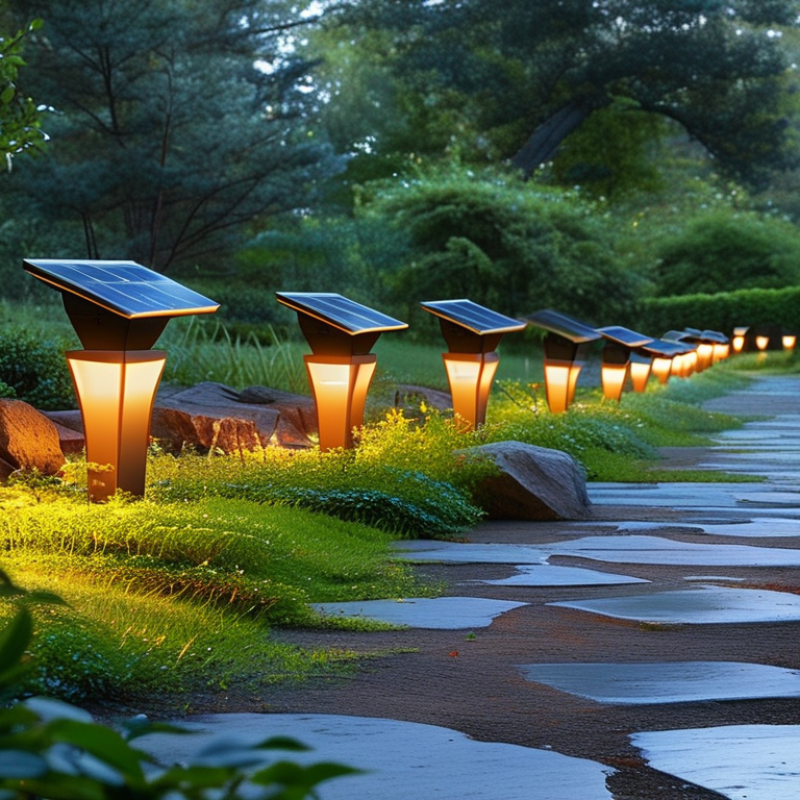
Factors Affecting the Lifespan of Solar Garden Lights
Solar garden lights are a popular choice for enhancing outdoor spaces. However, their lifespan can vary greatly based on several influencing factors. A key component is the type of solar panel used. Reports show that polycrystalline panels may last 25 years, while monocrystalline panels often outperform them. Battery quality also plays a crucial role. Higher-quality lithium batteries can last longer and perform better in colder temperatures.
Weather conditions impact the longevity of solar garden lights. Prolonged exposure to rain or extreme heat can reduce their effectiveness. Furthermore, the location of installation matters. Lights placed in shaded areas may not charge adequately, leading to shortened lifespans. According to industry standards, regular maintenance can extend their usability significantly.
Tips: Always ensure solar panels are clean. Dust and debris can block sunlight. Replace batteries every few years for optimal performance. Check for signs of wear and replace components as needed. Pay attention to local weather patterns to anticipate any seasonal impacts on your lights.
Finally, it's essential to consider product quality over price. Investing in well-researched options can save costs in the long run by reducing replacements and maintenance needs.
Average Lifespan: What to Expect from Solar Garden Lights
Solar garden lights are a popular choice for enhancing outdoor spaces. Their average lifespan can vary widely. Many factors contribute to how long these lights last. Most solar garden lights can last between three to five years. Quality, climate, and usage all play significant roles in their longevity.
The solar panels power these lights. Over time, they may degrade. Exposure to severe weather can shorten their life expectancy. Poor-quality materials can lead to early failures. In some cases, battery issues arise. Regular maintenance can help extend their lifespan. Cleaning the panels ensures maximum sunlight absorption.
Despite their durability, not every solar garden light performs well. Users may notice some lights dimming after a few seasons. It’s essential to choose wisely. Look for lights that have good reviews. Each purchase should be considered carefully. With the right choices, garden lights can illuminate your space beautifully for years.
Maintenance Tips to Extend Solar Garden Light Lifespan
Solar garden lights can provide enchanting illumination for several years, but their lifespan often depends on proper care. Regular maintenance is crucial to extend their functionality and brightness. Here are some tips to help you keep your solar lights shining longer.
Cleaning is fundamental. Dust, dirt, and debris accumulate on the solar panels, hindering their efficiency. Use a soft cloth to wipe the panels at least once a month. This simple step can significantly enhance performance. Keep an eye on the battery. Over time, it may lose capacity. Some batteries can be replaced easily, while others may need the entire unit changed.
Positioning your lights matters too. Place them in locations that receive ample sunlight during the day. Shade from trees or buildings can reduce charging efficiency. It might be convenient to position them near seating areas, but consider their exposure to the sun. Reflect on these choices. Occasionally, you might need to experiment with different placements to find the optimal spot.
Signs Your Solar Garden Lights Need Replacing
Solar garden lights can provide charming illumination in outdoor spaces, but they don’t last forever. Recognizing the signs that your solar garden lights need replacing is crucial for maintaining a well-lit garden. Industry reports indicate that the average lifespan of solar lights ranges from 2 to 4 years, depending on quality and usage. Signs of wear can include dimming brightness, inconsistent lighting, or lights that do not turn on at all.
One key indicator of failing solar lights is the inability to hold a charge. If your lights are not illuminating as brightly as they once did, the batteries may be nearing the end of their lifespan. According to the National Renewable Energy Laboratory, battery capacity depletes over time and can significantly affect performance. Additionally, physical worn-out components such as cracked casings, faded panels, or rust on metal parts often indicate that replacement is necessary.
Another vital sign is the presence of moisture inside the light fixture. This issue could compromise both battery function and overall safety. The presence of water can lead to corrosion, which can shorten the device's lifespan. Ultimately, regular maintenance can extend the use of solar garden lights, but recognizing these signs promptly can save both time and money in the long run.
Comparison of Different Types of Solar Garden Lights
When exploring solar garden lights, it's essential to understand the variations among different types. Solar lights vary in design, efficiency, and durability. Some models may last longer than others, relying heavily on their components and solar technology. For example, LED solar lights typically shine longer, often providing bright illumination for up to 12 hours. Cheaper options, however, might only last around 6 hours on a full charge.
Solar garden lights harness sunlight to power their LED bulbs. Yet, factors like sunlight exposure and battery quality play a crucial role. Integrated solar panels collect energy, often leading to inconsistent performance based on weather conditions. It's not uncommon for some lights to dim over time, reflecting their battery aging.
Battery life is another pivotal aspect to consider. Many solar lights use lithium-ion or nickel-metal hydride batteries. The former offers more reliability, but all batteries eventually degrade. Regular maintenance, such as cleaning the solar panels and replacing batteries, can enhance longevity. Understanding these nuances is vital for making an informed choice in solar garden lighting.
How Long Do Solar Garden Lights Last on Average? - Comparison of Different Types of Solar Garden Lights
| Type of Solar Garden Light |
Average Lifespan (Hours) |
Battery Type |
Durability Rating |
| LED String Lights |
20,000 |
Lithium-ion |
IP65 |
| Pathway Lights |
15,000 |
NiMH |
IP44 |
| Spotlight Lights |
25,000 |
Lithium-ion |
IP67 |
| Wall Mounted Lights |
30,000 |
Lithium-ion |
IP65 |
| Solar Lanterns |
18,000 |
NiMH |
IP54 |
FAQS
: Factors include the type of solar panel, battery quality, weather conditions, and installation location.
Most solar lights last between 2 to 4 years, depending on their quality and usage.
Signs include dim brightness, inconsistent lighting, and lights that do not turn on.
Prolonged rain or extreme heat can reduce their effectiveness and lifespan.
Higher-quality batteries can last longer and perform better, especially in cold weather.
Yes, regular cleaning, battery replacement, and checks for wear can significantly increase usability.
Dust and debris block sunlight, leading to reduced performance and shorter lifespans.
Lights in shaded areas charge inadequately, which can shorten their lifespan.
Consider product quality over price to avoid frequent replacements and maintenance hassle.
Moisture inside the fixture can lead to corrosion and affect battery function, risking safety.
Conclusion
When exploring the question of "How long do solar garden lights typically last?", various factors come into play that can influence their lifespan. Generally, the average lifespan ranges from 2 to 5 years, depending on the quality of materials, the type of solar cells used, and environmental conditions. Additionally, regular maintenance can significantly extend the longevity of these lights. Simple practices such as keeping solar panels clean and ensuring batteries are replaced when necessary can enhance their performance.
It's also important to recognize signs that indicate your solar garden lights may need replacing, such as dim lighting or a complete loss of operation. Different types of solar garden lights, whether decorative or functional, can vary in durability and efficiency, making it crucial to consider these aspects when selecting the right solar lighting for your outdoor space. By understanding these elements, you can make informed choices and maximize the benefits of solar garden lights in your garden.
 Suvlux Light
